 Shop← Back to Paws & Pointers
Paws & Pointers · Cat care
Keeping Indoor Cats Happy
Helpful ideas for everyday life with the pets we love, thoughtfully gathered by Pawtini Shop.
A good indoor life is full of choices
Indoor cats can thrive when their home offers places to climb, scratch, hide, watch, rest, and play. Enrichment is not about filling every corner with toys; it is about giving your cat opportunities to express normal feline behavior and control their environment.
Build a daily play routine
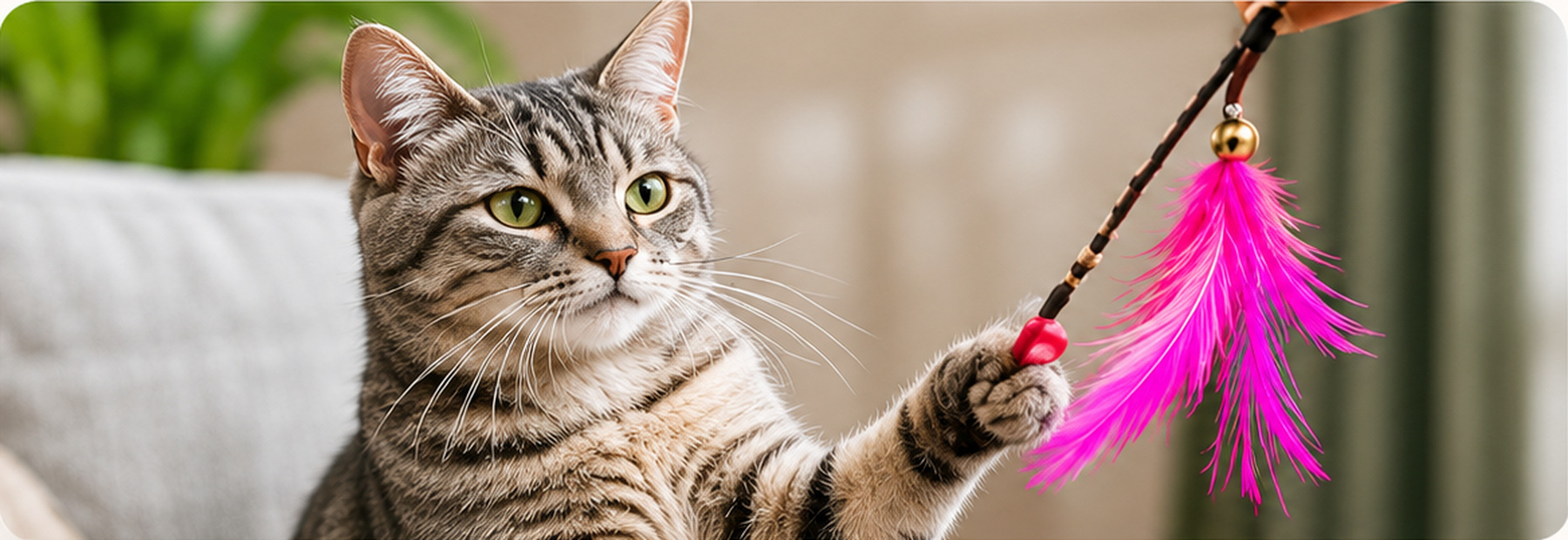
Try several short, interactive play sessions using a wand toy that moves like prey. Let your cat stalk, chase, and occasionally catch the toy. Finish with a small meal or treat when appropriate. Rotate toys rather than leaving every toy out all the time, and put string or ribbon toys away after supervised play.
Think vertically
Many cats appreciate sturdy cat trees, shelves, or window perches that let them survey a room from above. Check that furniture is stable and that any window screens are secure. Provide easy-to-reach options for older cats or cats with mobility challenges.
Offer scratching and hiding spots
Place scratching posts near favorite resting places or doorways. Try different textures and orientations to discover what your cat prefers. Cardboard boxes, covered beds, and quiet corners can provide reassuring retreats, especially in busy homes.
Make mealtimes interesting
Food puzzles and slow feeders can turn part of a meal into a low-pressure challenge. Start with an easy puzzle so your cat succeeds, then gradually increase difficulty. Keep portions within their usual daily food allowance, and ensure every cat in a multi-cat household has comfortable access to food and water.
Watch your cat’s signals
A happy routine includes sleep, quiet, and predictable spaces—not constant activity. Sudden hiding, changes in appetite or litter-box habits, persistent overgrooming, or unusual aggression may indicate stress or a medical issue. Contact your veterinarian when behavior changes are new or persistent.
Educational information only. This guide is not a substitute for individualized veterinary care.
← More Paws & Pointers